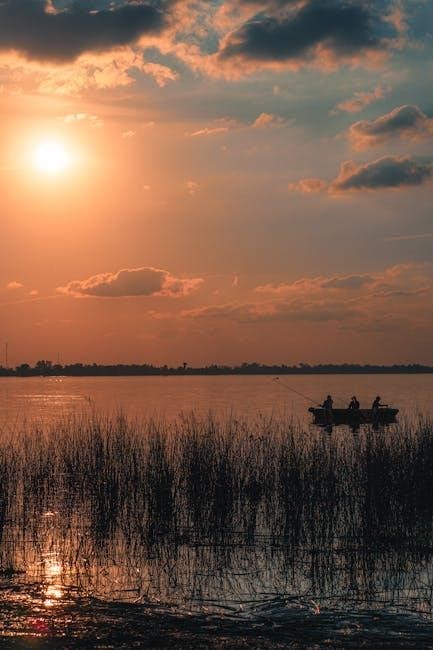
Lake Fork Crappie Guide: A Comprehensive Overview (Updated 04/28/2026)
Lake Fork presents excellent crappie fishing as of today, April 28th, 2026, with fish actively hitting minnows around brush piles and the barge in 16-20 feet․
Lake Fork, renowned for its massive largemouth bass, also harbors a phenomenal crappie fishery, often overlooked but incredibly rewarding․ This guide provides an in-depth look at maximizing your success targeting these panfish in this East Texas reservoir․ As of today, April 28th, 2026, conditions are favorable, with crappie exhibiting good activity․
Crappie fishing at Lake Fork is diverse, offering opportunities year-round, from the pre-spawn flurry in the spring to the deep-water patterns of summer and the transitional phases of fall․ Understanding these seasonal shifts is crucial․ Current reports indicate crappie are responding well to minnows presented around submerged brush and near the barge, typically in depths of 16 to 20 feet․ Water clarity is normal, with a stain, and temperatures are currently around 84 degrees, with the lake level 0․73 feet below pool․
Whether you’re a seasoned angler or a beginner, this guide will equip you with the knowledge to consistently locate and land quality crappie on Lake Fork․ Prepare to experience some fantastic fishing!
Understanding Lake Fork’s Crappie Population
Lake Fork’s crappie population benefits from the lake’s rich ecosystem and abundant forage base․ The reservoir supports both white and black crappie, with a healthy mix of sizes, though larger specimens are consistently sought after․ Understanding their life cycle is key to successful angling․ Spawning typically occurs in the spring, drawing crappie to shallower, protected coves and creek arms․
Post-spawn, crappie disperse and seek cooler depths, often relating to submerged timber and brush piles․ These structures provide cover and attract baitfish, concentrating the crappie․ Current conditions, as of April 28th, 2026, show crappie holding in 16-20 feet of water around brush, indicating a post-spawn pattern․ Water temperature of 84 degrees influences their depth preference․ The lake’s normal stain also impacts their visibility and feeding behavior․
Consistent management practices contribute to a thriving population, ensuring quality fishing for years to come;
Seasonal Crappie Patterns at Lake Fork
Lake Fork’s crappie exhibit distinct seasonal patterns dictated by water temperature and spawning cycles․ Spring initiates the pre-spawn and spawn, drawing fish to shallow coves and creek arms for reproduction․ As water warms into summer (currently 84 degrees as of April 28th, 2026), crappie transition to deeper, cooler water, often exceeding 16-20 feet, seeking refuge near submerged structures․
Fall brings a feeding frenzy as crappie prepare for winter, transitioning back towards shallower areas and actively pursuing baitfish․ Winter sees a slowdown in activity, with crappie holding in deeper pockets and requiring a slower, more deliberate presentation․ The lake’s normal stain impacts visibility throughout these seasons․
Understanding these shifts is crucial for anglers, allowing them to adapt their techniques and target crappie effectively throughout the year․
Spring Crappie Fishing (Pre-Spawn & Spawn)
Spring at Lake Fork ignites a flurry of crappie activity as they prepare to spawn․ Focus efforts on locating fish staging in shallow coves and creek arms, where water temperatures are conducive to spawning – currently 67 degrees and rising as of April 28th, 2026; Pre-spawn crappie are aggressively feeding, making them susceptible to both minnows and jigs․
During the spawn, fish become more territorial and are often found near brush piles and submerged timber․ Slow presentations are key, allowing crappie to readily strike․ The lake level, currently 1․37 feet below pool, can influence spawning locations, concentrating fish in specific areas․ Expect excellent catches during this period!
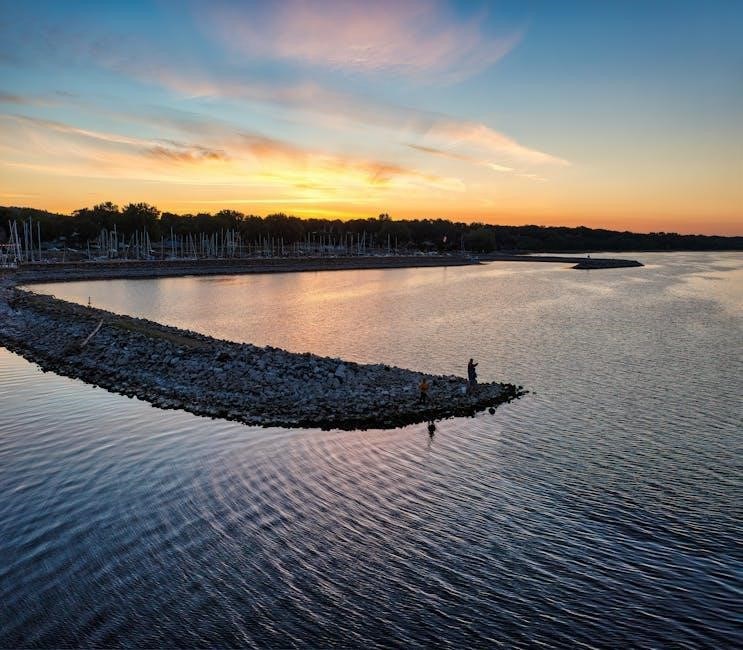
Summer Crappie Fishing (Post-Spawn & Deep Water)
As Lake Fork’s water warms – reaching 84 degrees as of April 28th, 2026 – post-spawn crappie transition to deeper, cooler waters․ This necessitates a shift in fishing strategy․ Target brush piles in 16-20 feet of water, as reported in recent catches, and focus on slower presentations due to the increased depth and warmer temperatures․
Trolling can be highly effective during the summer months, covering larger areas to locate scattered schools of crappie․ Utilizing crappie lights for night fishing can also prove productive, attracting fish to your bait․ Remember that crappie will often suspend at specific depths, so experiment with different jigging and minnow depths to pinpoint their location․
Fall Crappie Fishing (Transition & Feeding Frenzy)
As autumn descends on Lake Fork, crappie enter a transitional phase, preparing for winter and engaging in a significant feeding frenzy․ Water temperatures begin to cool, prompting fish to move shallower as they follow baitfish․ Focus your efforts around key creeks and inlets, where baitfish concentrations are highest, and crappie will be actively feeding․
Continue to utilize brush piles, but also explore submerged timber and structure along creek channels․ Jig fishing and minnow fishing both excel during this period․ Pay attention to the lake level, currently 1․37 feet below pool, as falling water can concentrate fish in specific areas․ Expect increased activity as crappie bulk up for the colder months ahead․
Winter Crappie Fishing (Slow & Steady)
Winter crappie fishing on Lake Fork demands patience and a refined approach․ As water temperatures plummet, crappie become less active and seek deeper, more stable environments․ Focus your efforts on locating brush piles and submerged structure in the deepest sections of the lake, typically 16-20 feet or deeper․
Slow presentations are key; utilize small jigs fished under a float or slowly retrieve minnows near structure․ The current water temperature is 67 degrees, but will continue to fall․ Expect a slower bite compared to other seasons, requiring meticulous attention to detail; Targeting areas near the dam may also prove productive, as these areas often hold warmer water․
Prime Crappie Locations on Lake Fork
Lake Fork boasts numerous hotspots for crappie anglers, with brush piles consistently proving to be incredibly productive․ The area around the barge is another well-known location, offering concentrated structure that attracts large numbers of fish, especially when using minnows․ Exploring key creeks and inlets can also yield excellent results, as these areas provide cover and attract baitfish․
Currently, with the water level 1․37 feet below pool and a normal stain, focus on areas with submerged timber and brush in 16-20 feet of water․ The dam area also holds potential, offering deeper, more stable water temperatures․ Remember to thoroughly investigate any visible structure using your sonar to pinpoint prime holding locations․
Crappie Hotspots Around Brush Piles
Lake Fork’s brush piles are legendary crappie magnets, offering vital cover and attracting baitfish․ Success hinges on locating these submerged structures, often found throughout the lake at depths of 16-20 feet; Current reports indicate crappie are actively feeding around these brush piles, particularly when using live minnows․
Effective techniques include slow-trolling or vertical jigging near the brush․ Pay close attention to the edges and tops of the piles, as these are prime ambush points․ Vary your presentation depth to locate the most active fish․ Remember that brush piles can be scattered, so exploring multiple locations is key to maximizing your catch․ The normal stain of the water aids in concealment for both predator and prey․
Fishing Near the Dam Area
The Lake Fork dam area consistently holds crappie, benefiting from the current and structure created by the dam itself․ While specific depths fluctuate, focusing on areas where the main lake channel meets the creek arms can be productive․ The current water level is 1․37 feet below pool, influencing fish positioning․
Target submerged timber and rock piles near the dam, utilizing minnows or jigs presented slowly․ Experiment with different depths, as crappie will adjust based on water temperature and light penetration․ The water temperature currently sits at 67 degrees, suggesting crappie may be holding slightly deeper․ Remember to check for any restricted areas near the dam before fishing, and always prioritize safety․
Targeting Crappie Around the Barge
The Lake Fork barge is a renowned crappie hotspot, offering consistent action throughout much of the year․ Current reports (April 28th, 2026) indicate crappie are “good” around the barge, actively taking minnows․ This structure attracts baitfish, subsequently drawing in crappie seeking an easy meal․
Focus your efforts on fishing brush piles positioned near the barge, utilizing a slow presentation․ Vertical jigging with small jigs and minnow combinations is highly effective․ Water clarity is currently described as “normal stain,” meaning visibility is moderate; brighter colored lures may be beneficial․ The water temperature is 84 degrees, suggesting crappie may be holding in slightly deeper, cooler water around the barge’s structure․ Remember to respect other anglers and maintain a safe distance․
Key Creeks and Inlets for Crappie
Lake Fork’s numerous creeks and inlets provide crucial spawning habitat and offer excellent crappie fishing opportunities․ While specific creek reports are limited as of April 28th, 2026, these areas generally hold fish during pre-spawn, spawn, and post-spawn periods․ Focus on areas where creeks channel into the main lake, creating current breaks and attracting baitfish․
Look for submerged timber, brush piles, and weed lines within these inlets․ Minnow fishing under a slip bobber is a classic and effective technique․ Experiment with jig colors and retrieves to determine what the crappie are preferring․ Given the current water temperature of 84 degrees, crappie may be holding in slightly cooler, shaded areas within the creeks․ Explore both shallow and deeper sections, adapting your approach based on conditions․
Effective Crappie Fishing Techniques
Lake Fork crappie respond well to several proven techniques․ As of April 28th, 2026, minnow fishing remains a highly effective method, particularly around brush piles and near the barge in 16-20 feet of water․ Suspend minnows under a slip bobber to control depth and present the bait naturally․
Jig fishing is another productive approach․ Experiment with various jig colors – chartreuse, white, and pink are often successful – and retrieve speeds․ Trolling with jigs or minnows can cover more water and locate scattered crappie․ Consider utilizing crappie lights for night fishing, as this can attract fish and extend your fishing hours․ Adjust your technique based on water temperature and clarity; slower presentations often work best in cooler, clearer water․
Minnow Fishing: The Classic Approach
Minnow fishing consistently proves to be a top technique for targeting Lake Fork crappie, especially given the current conditions as of April 28th, 2026․ Reports indicate excellent success with minnows presented around submerged brush piles and near the barge, typically in depths of 16-20 feet․
Employing a slip bobber setup allows precise depth control, keeping the minnow suspended at the optimal level for attracting strikes․ Hook the minnow through the lips or back, ensuring a lively presentation․ Varying the depth slightly can be crucial, as crappie may be holding at different levels depending on light and water temperature․ This classic method remains a reliable way to fill your cooler at Lake Fork․
Jig Fishing for Crappie
Jig fishing offers a versatile alternative to minnows when pursuing Lake Fork crappie, allowing anglers to cover water efficiently and target specific depths․ As of April 28th, 2026, jigs are proving effective around brush structures where crappie are congregating, particularly in the 16-20 foot range․
Opt for smaller jigs, typically 1/32 or 1/16 ounce, in colors like chartreuse, white, or pink․ Pairing these with soft plastic trailers like curly tails or tubes enhances the presentation and adds enticing action․ Experiment with retrieval speeds – slow, deliberate retrieves often yield the best results․ Vertical jigging directly over brush piles can also be highly productive, ensuring your lure remains in the strike zone․
Trolling for Crappie on Lake Fork
Trolling presents an effective method for locating scattered crappie across Lake Fork’s expansive waters, especially when fish aren’t tightly grouped․ Current conditions, as of April 28th, 2026, suggest trolling can be productive, particularly focusing on areas near the barge and along submerged creek channels․
Employing multiple rods with jigs or small crankbaits allows you to cover more ground and pinpoint active fish; Maintain a slow trolling speed, around 1․5 to 2․5 mph, and vary your depths to locate where crappie are holding․ Consider using planer boards to spread out your lines and maximize coverage․ Pay attention to your electronics; schools of baitfish often indicate the presence of crappie․ Adjust your trolling patterns based on observed fish activity and depth readings․
Using Crappie Lights for Night Fishing
Night fishing with crappie lights can be incredibly effective on Lake Fork, attracting both crappie and the baitfish they feed upon․ The lights create an artificial reef environment, drawing fish in from surrounding areas․ Positioning lights over brush piles or near the barge can concentrate crappie, making them easier to target․
Typically, submersible LED lights are preferred for their energy efficiency and broad spectrum illumination․ Experiment with different light colors – green and blue are often highly effective․ Remember to check local regulations regarding night fishing and light usage․ Be mindful of other boaters and avoid shining lights directly into their eyes․ Patience is key; it may take time for fish to locate and move towards the illuminated area, but the rewards can be substantial․
Essential Crappie Fishing Gear for Lake Fork
Successful crappie fishing on Lake Fork demands the right equipment․ A lightweight spinning rod, 6-7 feet in length, with a sensitive tip is crucial for detecting subtle bites․ Pair this with a quality spinning reel spooled with 4-6 pound test line – fluorocarbon is recommended for its low visibility․
A variety of jigs, in different colors and sizes, are essential, alongside live minnows․ Don’t forget bobbers for suspending your bait at the desired depth․ A good pair of pliers for removing hooks, and a fish basket or cooler to keep your catch fresh are also vital․ Consider bringing a depth finder to locate brush piles and submerged structure where crappie congregate․
Rod and Reel Selection
Choosing the correct rod and reel is paramount for Lake Fork crappie success․ Opt for a lightweight spinning rod, ideally 6 to 7 feet long, offering sensitivity to detect those delicate crappie bites․ Graphite or a graphite composite provides excellent feel․ A moderate action rod is versatile for jigging and minnow presentations․
Pair your rod with a quality spinning reel in the 1000 to 2500 size range․ Smooth drag is essential when fighting fish near structure․ Spool the reel with 4-6 pound test fluorocarbon line; its low visibility increases bite rates․ Consider a longer handle for improved leverage during casts and retrieves․ Investing in quality gear enhances your overall fishing experience and success․
Line and Leader Choices
Selecting the appropriate line and leader materials significantly impacts your Lake Fork crappie fishing․ Fluorocarbon line is highly recommended as a main line due to its low visibility underwater, increasing the likelihood of bites, especially in clear water conditions․ A 4-6 pound test is generally sufficient, providing a balance between strength and sensitivity․
For leaders, consider using slightly heavier fluorocarbon – 6-8 pound test – to resist abrasion from brush piles and submerged timber․ A leader length of 12-18 inches is ideal․ Monofilament can also be used as a leader, offering stretch, but fluorocarbon’s invisibility is preferred․ Regularly check your line for abrasions and retie frequently to maintain strength and presentation․
Must-Have Crappie Baits and Lures
Successful crappie angling at Lake Fork demands a versatile bait selection․ Live minnows remain a classic and highly effective choice, particularly around brush structures and near the barge, as recent reports indicate good catches with this method․ When jigging, 1/32oz and 1/16oz jigs are ideal, mimicking natural forage․
Tube jigs in chartreuse, white, and pink are consistently productive․ Consider adding a crappie nibble to your jig for enhanced attraction․ Small crankbaits, trolled slowly near submerged timber, can also trigger strikes․ Don’t underestimate the power of color combinations; experiment to find what the crappie prefer on any given day․ Having a variety ensures adaptability․
Lake Fork Crappie Regulations and Licensing
Anglers targeting crappie at Lake Fork must adhere to Texas Parks and Wildlife Department (TPWD) regulations․ A valid Texas fishing license is required for anyone 17 years or older․ Daily bag limits for crappie are currently set at 25 fish per person․ There are specific size restrictions in place to promote sustainable populations; always consult the latest TPWD regulations pamphlet or website for current details․
It’s crucial to stay informed about any temporary rule changes or special regulations that may be implemented․ Responsible angling practices, including catch-and-release where appropriate, contribute to the long-term health of the fishery․ Ensure you understand and comply with all regulations to avoid penalties and preserve this fantastic resource․
Current Lake Conditions & Reports (as of 04/28/2026)
As of today, April 28th, 2026, Lake Fork’s water conditions are reported as good, with a normal stain․ The water temperature is currently 67 degrees in some areas, and 84 degrees in others, indicating varied thermal layers․ The lake level is 1․37 feet below pool and also 0․73 feet below pool depending on the location reported․
Recent reports indicate bream are slow, but channel catfish are actively biting on cut bait and nightcrawlers in 6-8 feet of water․ Crappie are considered good, particularly when using minnows around brush in 16-20 feet, and near the barge․ Catfish are also showing fair to good activity in 10-16 feet․
Water Temperature and Stain
Lake Fork’s water temperature is currently displaying some variation as of April 28th, 2026․ Reports indicate readings of 67 degrees in certain areas, suggesting cooler pockets, while other locations are registering a warmer 84 degrees․ This temperature difference is crucial for understanding crappie distribution, as they seek thermal comfort․
The water stain is consistently reported as “normal” across the lake, meaning moderate clarity․ This level of stain allows for effective fishing with both visual and scent-based baits․ The normal stain provides a balance, allowing crappie to locate forage while still offering anglers a reasonable visibility for lure presentation․ Monitoring these conditions is key to successful fishing․
Lake Level Information
Lake Fork’s current lake level, as of April 28th, 2026, is fluctuating slightly below the full pool mark․ Recent data indicates the lake is 1․37 feet below normal pool levels in some areas, while other reports show a difference of 0․73 feet below pool․ These variations, though relatively minor, can influence crappie behavior and preferred holding locations․
Anglers should be aware that these level changes can concentrate fish near creek channels, submerged timber, and brush piles as they seek stable habitat․ Monitoring the lake level is essential for adapting fishing strategies․ Consistent monitoring of the lake’s water level will help anglers pinpoint prime fishing spots and adjust their approach accordingly for optimal success․
Recent Fishing Reports & Catches
Recent reports from April 28th, 2026, indicate Lake Fork is currently rated as “GOOD” for fishing overall․ Crappie are actively being caught, particularly when using minnows fished around brush structures in depths of 16-20 feet․ The area around the barge is also proving productive for crappie anglers․
Channel catfish are reported as “GOOD” as well, responding well to cut bait and nightcrawlers presented in 6-8 feet of water․ Blue catfish are yielding “fair to good” catches in slightly deeper water, around 10-16 feet․ Bream fishing is currently considered “slow,” with limited success reported using red worms throughout the lake․ Anglers are encouraged to check local tackle shops for the very latest updates․